September 30, 2026 • Margot Calloway • 8 min reading time • Prices verified June 4, 2026
Brooklinen Down vs. Amazon Budget Picks: Running the 10-Year Cost-Per-Night Numbers
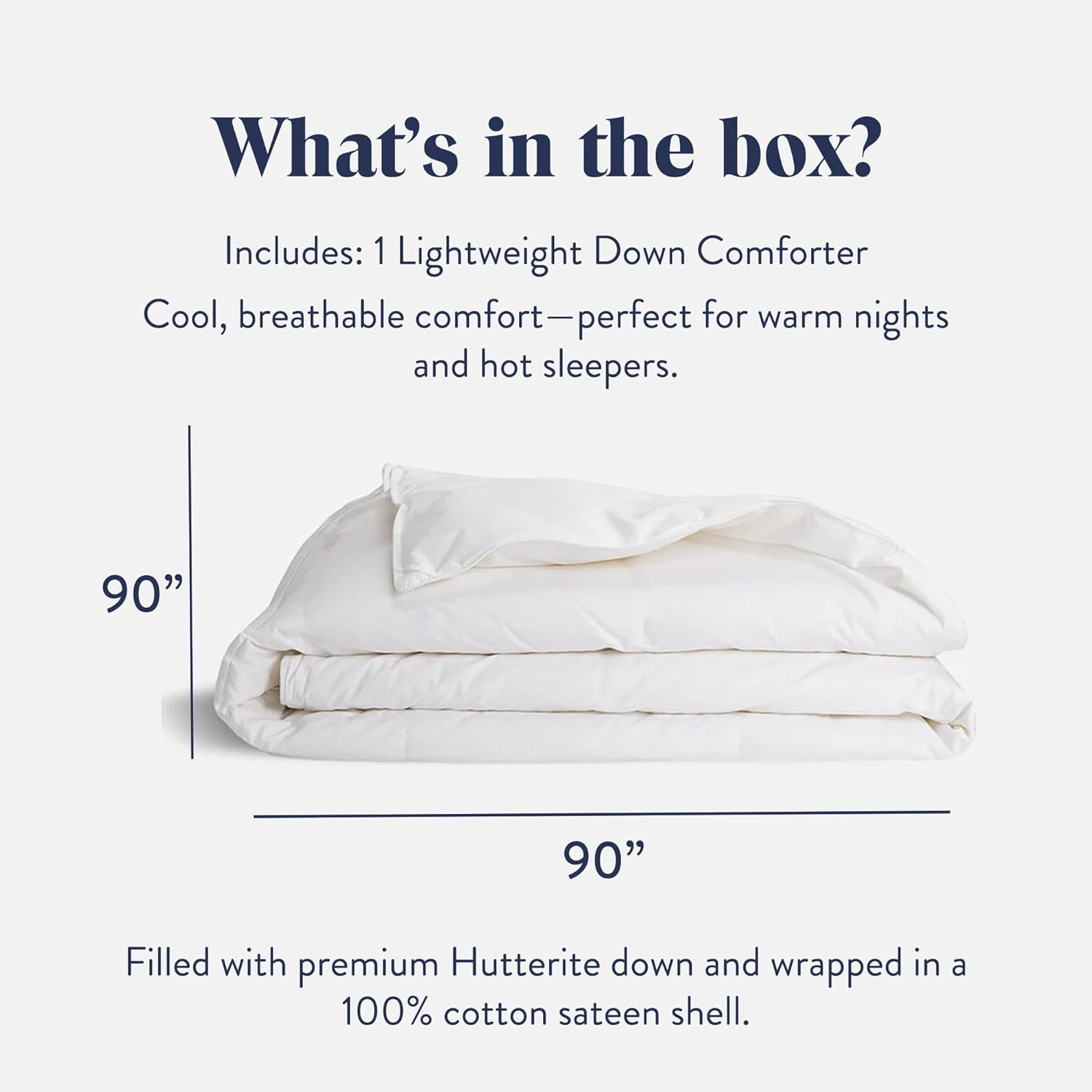
You’ve been buying bedding long enough to know what fill power means — it’s the measure of how much loft one ounce of down can trap, which translates directly to warmth-per-weight. You’ve heard the phrase “cost-per-use” thrown around in buying guides. But when you’re staring at a checkout page with a $230 Brooklinen Luxe Down Comforter on one tab and a $55 Beckham Hotel Collection on the other, the abstract argument for spending more is a lot harder to feel than the concrete reality of saving $175 right now. This article exists to make the math concrete. We built a simple 10-year model using published specs and aggregated owner-review patterns documented by Wirecutter, Good Housekeeping, the Sleep Foundation, and Apartment Therapy — so you can see exactly what each dollar buys per night of sleep, and where the crossover point actually lands.
| EDITOR'S PICKpuredown® Goose Down Comforter… | Mid-tierC&W Goose Down Comforter Queen… | Budget pickUtopia Bedding Comforter Queen… | |
|---|---|---|---|
| Fill power | 800 | 750+ | — |
| Fill type | Goose down | Goose down | Down alternative |
| Shell material | 100% Cotton | 100% Cotton | — |
| Thread count | 700 | — | — |
| Size | King | Queen | Queen |
| Machine wash | — | ✓ | ✓ |
| Price | $436.99 | $140.00 | $24.89 |
| See on Amazon → | See on Amazon → | See on Amazon → |
The Baseline Numbers: What You’re Actually Comparing
Before the model, let’s anchor on the two products that show up constantly in intermediate-buyer conversations.
Beckham Hotel Collection Goose Down Alternative (Queen): Typically priced between $45–$65 on Amazon as of mid-2026. This is a down alternative — polyester microfiber fill, not real down. It carries no fill-power rating because fill power is a metric that applies only to real down clusters. The shell is typically a 250-thread-count microfiber.
Brooklinen Down Comforter, All-Season tier (Queen): Listed at $229 at Brooklinen’s direct-to-consumer site as of May 2026. This uses real duck down rated at 550 fill power, housed in a 400-thread-count cotton shell with baffle-box construction — internal fabric walls that allow the fill to loft freely rather than shifting to the edges of the comforter. It carries Responsible Down Standard (RDS) certification, a third-party audit confirming the birds were not live-plucked or force-fed. In Wirecutter’s review guide titled “The Best Down Comforter,” the Brooklinen Down Comforter is named a strong mid-market option for buyers who want real-down loft without crossing into the premium tier.
Those two products are not actually in the same category. One is synthetic; one is real down. That distinction drives the math.
10-Year Cost-Per-Night: Three Tiers Compared
The table below models total spend and nightly cost across a decade (3,650 nights). Replacement cycle estimates draw on durability patterns reported in Good Housekeeping’s “Best Down Comforters of 2025” guide and Wirecutter’s “The Best Down Comforter.”
Budget Tier: Down Alternative (~$45–$65)
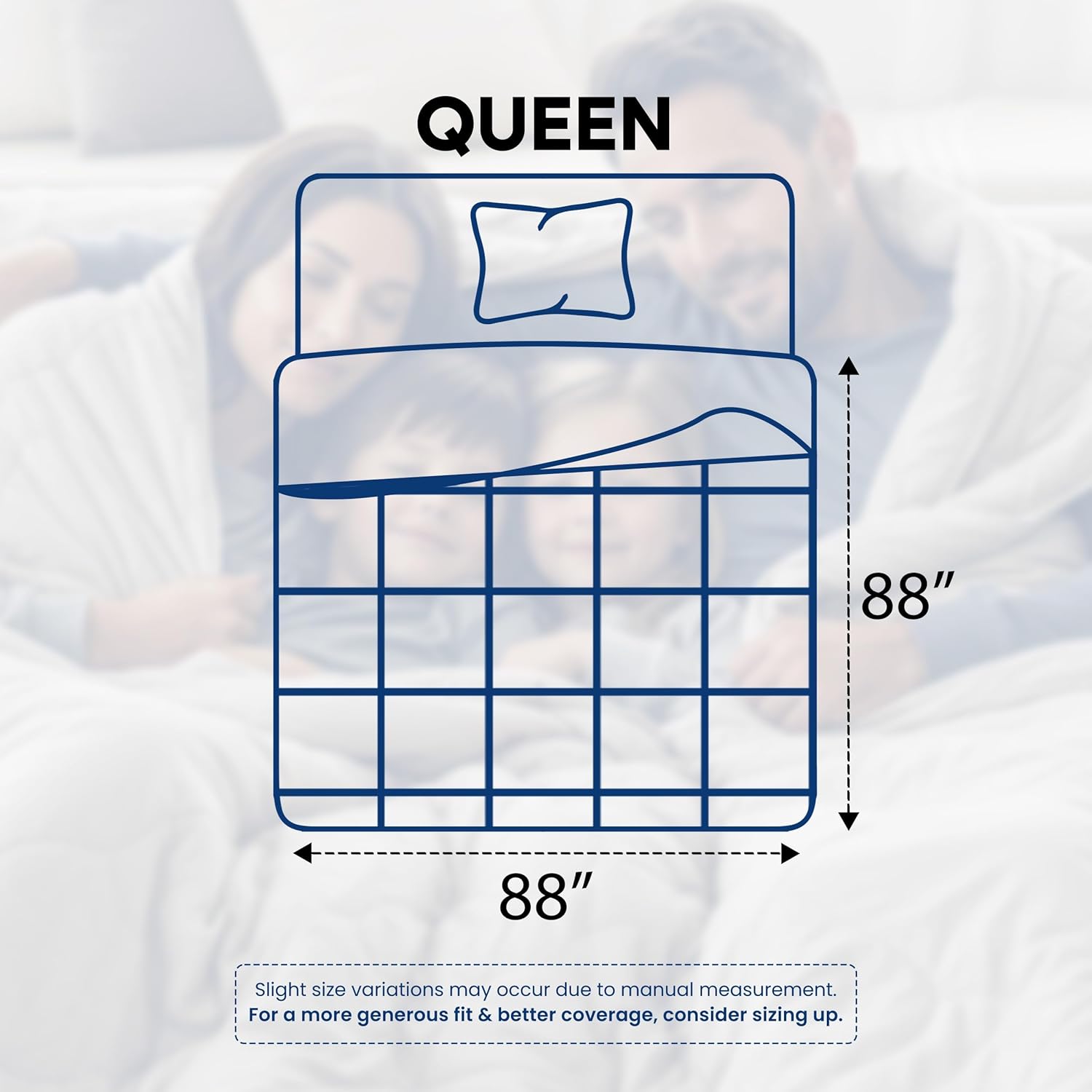
Utopia
$24.89
In stock on Amazon
Check price on Amazon| Factor | Detail |
|---|---|
| Representative product | Beckham Hotel Collection Goose Down Alternative, Queen |
| Purchase price | ~$55 |
| Estimated replacement cycle | 2–3 years |
| Total 10-year spend | $183–$275 |
| Cost per night (3,650 nights) | $0.050–$0.075 |
| Fill type | Polyester microfiber (no fill-power rating) |
| Construction | Sewn-through channels |
| Certification | N/A (synthetic) |
Good Housekeeping’s comforter testing roundup notes that synthetic fills typically lose meaningful loft within 2–4 years of regular use. Owner reviews compiled by Wirecutter echo this pattern: clumping and flat spots appear as early as the 18-month mark with regular laundering. The product continues functioning as a blanket, but the loft that justified the purchase is largely gone.
Utopia
$24.89
In stock on Amazon
Check price on AmazonMid-Tier Pick: Brooklinen All-Season Down (~$229)
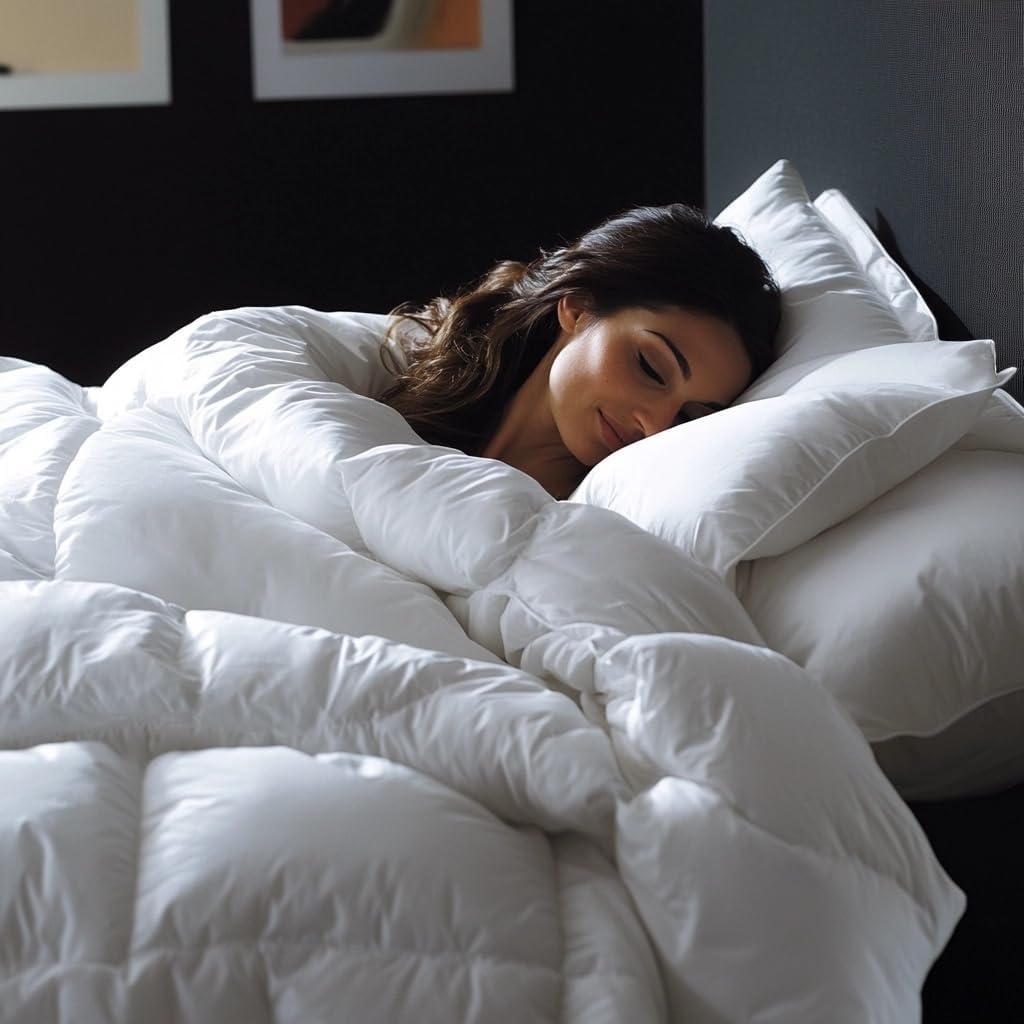
C&W
$140.00
In stock on Amazon
Check price on Amazon| Factor | Detail |
|---|---|
| Representative product | Brooklinen Down Comforter, All-Season, Queen |
| Purchase price | ~$229 |
| Estimated replacement cycle | 7–10 years |
| Total 10-year spend | $229–$328* |
| Cost per night (3,650 nights) | $0.063–$0.090 |
| Fill type | Real duck down, 550 fill power |
| Construction | Baffle-box |
| Certification | Responsible Down Standard (RDS) |
*Assumes one possible replacement if lifespan lands at the shorter end of the range.
Wirecutter’s “The Best Down Comforter” guide specifically calls out baffle-box construction as the standard worth paying for over sewn-through designs, because sewn-through stitching compresses fill into cold channels that reduce effective insulation. Reviewers documented in Apartment Therapy’s reporting on luxury versus budget comforters consistently note that Brooklinen’s down products outlast their price-point expectations — a pattern that holds because baffle-box fill distribution resists the clumping that kills synthetic alternatives early.
At the 3-to-5-year mark, the cost-per-night gap between the budget alternative and this tier has largely closed. After year five, the Brooklinen buyer has spent the same or less in total while sleeping under a higher-performing product the entire time.
C&W
$140.00
In stock on Amazon
Check price on AmazonPremium Tier: 800+ Fill Power (~$349–$699)
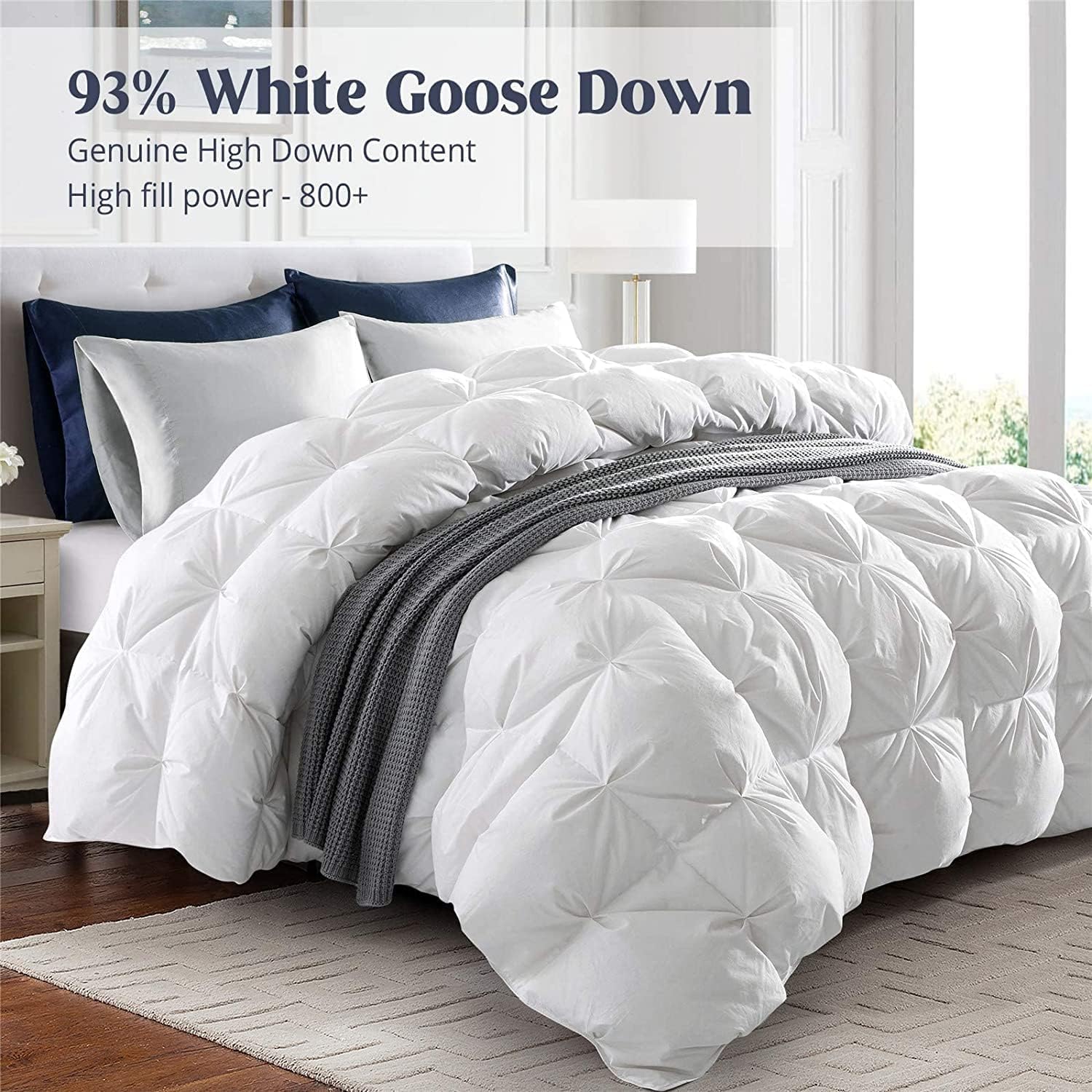
puredown®
$436.99
In stock on Amazon
Check price on Amazon| Factor | Detail |
|---|---|
| Representative products | Parachute Hotel Collection (850 FP Hungarian white down); Sferra or Matouk (800–850+ FP) |
| Purchase price range | $349–$1,200+ Queen |
| Estimated replacement cycle | 10–15 years |
| Total 10-year spend | $349–$699 (single purchase) |
| Cost per night (3,650 nights) | $0.096–$0.191 |
| Fill type | Premium Hungarian or European white down, 800–850+ FP |
| Construction | Baffle-box, heirloom-grade shell (300–400+ TC cotton) |
| Certification | RDS or IDFL-certified supply chains |
The Sleep Foundation’s overview of down comforter selection notes that the step up to 750+ fill power matters most for cold sleepers, those in unheated rooms, and buyers furnishing altitude-exposed or climate-variable properties such as mountain rentals or New England B&Bs. It also flags that for couples with discordant temperature preferences, the lighter weight of 800+ fill-power comforters — same warmth, meaningfully less mass — shows up in owner satisfaction scores as a genuine sleep-quality improvement.
For a single primary bedroom where the buyer plans to stay five or more years, the premium tier’s cost-per-night lands roughly double the Brooklinen mid-tier number. For rental property operators where guest-experience ratings affect revenue, that math closes faster: one negative review citing flat, clammy bedding costs more than the difference between a $229 and a $499 comforter.
puredown®
$436.99
In stock on Amazon
Check price on AmazonFill Power vs. Fill Weight: The Trap That Catches Intermediate Buyers
Here’s where knowledge gaps create expensive mistakes. Fill power and fill weight are different measurements, and both matter.
Fill power (550 FP on Brooklinen’s entry tier, 700+ FP on their premium tiers, 850 FP on Parachute Hotel Collection) describes how efficiently each ounce of down insulates. Higher fill power means a lighter comforter achieves the same warmth. Fill weight describes how many ounces of fill are actually inside the comforter. A lower fill-power product can match the warmth of a higher fill-power product by using more fill — the result is a heavier, less breathable comforter, not a worse one in absolute terms.
The Sleep Foundation’s comforter selection guide notes that for most sleepers in a temperature-controlled bedroom, 550–650 fill power in an All-Season weight is genuinely sufficient. The upgrade to 750+ fill power earns its price in specific conditions, not universally.
For the cost-per-night model, the fill-type gap matters more than the fill-power gap in one consistent scenario: night sweats and temperature regulation. Apartment Therapy’s reporting on budget versus luxury comforter ownership surfaces a recurring owner complaint about synthetic fills feeling “hot and clammy” by morning — a sensation real-down buyers rarely report, because down clusters allow moisture to dissipate in ways microfiber cannot replicate regardless of fill weight.
Decision rule: If temperature regulation is your primary complaint with current bedding, no fill-power rating on a synthetic alternative resolves it. The fill-type distinction — down versus polyester — is the meaningful variable, not the number printed on the hang tag.
Certifications: The Part That’s Easy to Skip and Shouldn’t Be
RDS (Responsible Down Standard), Downpass, and IDFL certifications are third-party audits confirming that down was sourced without live-plucking or force-feeding. ResponsibleDown.org maintains a publicly searchable database of certified supply chains that buyers can consult directly by brand name.
Brooklinen carries RDS certification across its down line, confirmed on their product pages and consistent with Wirecutter’s sourcing verification process documented in “The Best Down Comforter.” For budget Amazon alternatives like the Beckham Hotel Collection, the certification question is moot — they contain no down at all.
The certification issue becomes material when comparison-shopping within the real-down tier. A real-down comforter priced in the $80–$120 range on Amazon with no named certification is a signal worth treating skeptically. At that price point with real down claimed, the sourcing audit is either absent or unverifiable. For any real-down purchase, RDS or IDFL certification listed explicitly in the product description is table stakes. If a brand cannot name its certification, treat the sourcing as unverified.
The Clear “If X, Then Y” Framework
The model above reduces to four honest decision rules:
If you’re spending under $100 and replacing every 2–3 years, you’re not saving money over a decade — you’re deferring a slightly larger purchase while sleeping under a product that documented owner reviews consistently describe as functionally degraded within 18 months. The budget buy makes rational sense only if a $200+ purchase is genuinely unabsorbable right now.
If you can absorb $200–$250, the Brooklinen All-Season Down comforter is the rational 10-year decision. Cost-per-night lands between $0.06 and $0.09, it outlasts the budget alternative by 3–5x on loft retention, and the breathability difference — real down versus polyester microfiber — is the improvement owners most consistently report as affecting actual sleep quality rather than just aesthetics.
If you’re in the $300–$500 range and prioritizing either rental-property durability or lightweight warmth for a temperature-sensitive or temperature-discordant sleeping situation, the Parachute Hotel Collection’s 850 FP tier is the next honest step. The Sleep Foundation’s guidance on fill power makes clear this is not a marginal upgrade for casual buyers — it’s a targeted solution for specific thermal conditions.
If construction grade, fill power above 800, and IDFL certification are your baseline requirements, you’re past this comparison and into Sferra and Matouk territory. That’s a different article and a different ROI conversation. But the math structure is identical: purchase price divided by nights used, compared honestly across tiers.
The number that determines value isn’t on the price tag. It’s the one you calculate when you divide total decade spend by 3,650 — and then compare what you slept under while the clock ran.