August 4, 2026 • Margot Calloway • 10 min reading time • Prices verified June 4, 2026
Down Alternative Duvet Inserts That Genuinely Surprise: Budget Picks Owners Compare to Real Down
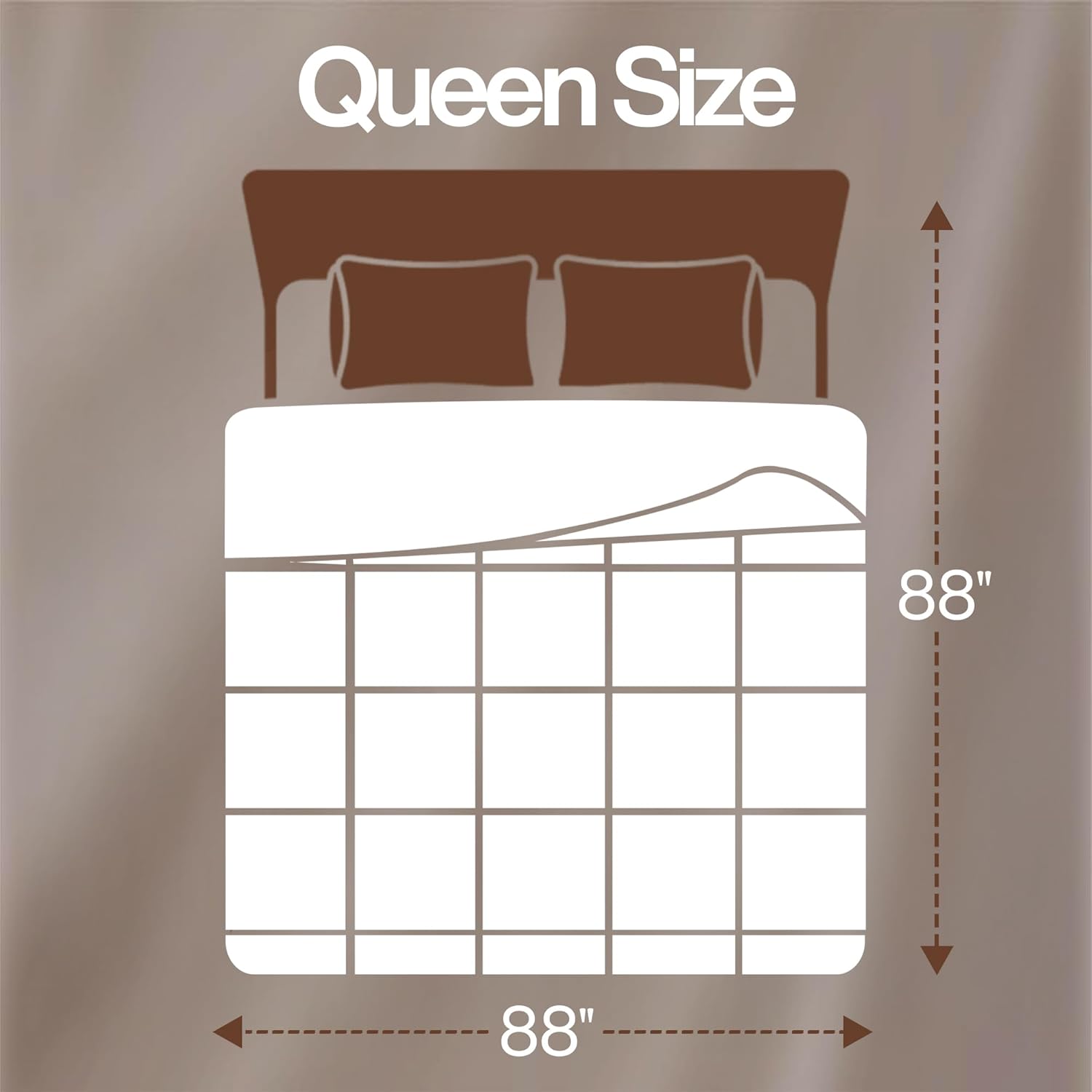
A down alternative comforter is exactly what it sounds like: a bed comforter filled with synthetic fiber instead of the feathers and down clusters harvested from waterfowl. The pitch is straightforward — you get the fluffy, cloud-like feel associated with real down without the allergen exposure, the ethical concerns, or (in most cases) the triple-digit price tag. A duvet insert is just the inner comforter itself, designed to slide into a removable cover called a duvet cover, so you can swap the look of your bed without buying a whole new comforter. That pairing — insert plus cover — is how hotels and design-savvy homeowners keep their bedding looking fresh for years. What this article is about is a specific, increasingly interesting corner of the down-alternative market: budget inserts in the $25–$80 range that are generating reviews so unexpectedly emotional that they’re worth examining seriously. Spoiler: the most striking reviews don’t come from first-time comforter buyers — they come from people who grew up with real down and say these cheap alternatives brought something back.
The Emotional Data Point That Changes the Conversation
Most bedding reviews follow a predictable script: “soft,” “arrived quickly,” “runs a little warm.” What makes this category unusual right now is a different register entirely. One Utopia Bedding owner, reviewing a comforter that retails for roughly $30, described it as evoking “fond memories of a down comforter I hadn’t experienced since childhood.” That’s not a typical Amazon review. That’s someone processing a sensory memory they thought was locked behind a much higher price point.
This matters analytically, not just sentimentally. When a buyer who knows what real down feels like — who has a reference point — reaches for a comparison and lands on childhood nostalgia, they’re telling you something about loft, weight distribution, and drape that a spec sheet can’t. They’re saying the product cleared a bar they didn’t expect it to clear.
The Sleep Foundation’s overview of down alternative fills notes that high-quality polyester clusters can replicate the thermal properties and loft of down to a degree that surprises first-time alternative buyers. Good Housekeeping’s comforter testing methodology specifically flags “loft retention after washing” and “even fill distribution” as the two variables that separate credible alternatives from ones that disappoint within a season. The Utopia reviewer’s emotional response is consistent with a product that’s doing both of those things reasonably well — at least at the start.
Four Products, Four Telling Details
You’re not here for a generic “best down alternative” list. You’re here because you have a decision to make — probably for multiple units if you’re running a rental or outfitting a property — and you need to understand what actually differentiates these products in use, not just on paper. Here’s what the review data reveals for the four products worth examining in this tier.
Utopia Bedding Comforter: The Nostalgia Signal
The childhood-memory review isn’t a one-off. Across aggregated reviews, Utopia owners consistently mention softness-on-contact as a first impression, and loft that holds longer than the price suggests it should. The shell is a siliconized microfiber, which is a step above standard brushed polyester — it breathes slightly better and resists the “plastic” feel that kills the down-like illusion in cheaper fills.
The tradeoff: owners in warmer climates or warm sleepers report the all-season weight can run snug. If you’re buying for a rental in a climate-controlled property and your guests trend cold, Utopia reads well. If you’re stocking a guest room in Phoenix, you may want a lighter fill weight.
Bedsure GentleSoft: Converting Non-Comforter Users
Bedsure’s GentleSoft fill is generating a different and arguably more interesting signal: owners who switched from sleeping with a quilt — not from another comforter, not from real down — and describe being surprised by the weight and feel. That’s a meaningfully different buyer being converted. Quilt users tend to prefer structure and defined weight; comforters, by contrast, drape and conform. The fact that GentleSoft is pulling quilt users over suggests it has more body and presence than the average cheap alternative.
The Spruce’s overview of down alternative fills identifies “fill weight” (measured in ounces per square inch) as the most underreported spec in budget comforters, noting that brands rarely publish it clearly. Bedsure doesn’t advertise a precise fill weight number prominently, but the quilt-converter reviews suggest it’s on the heavier side of the all-season range — which is both a selling point and a caveat depending on the sleeper.
EASELAND: The Only One That Passed the Post-Wash Test
Here’s the durability data point that should matter most to anyone buying in volume: one EASELAND reviewer explicitly waited — by their own account, multiple weeks — before writing their review, specifically to assess how the fill held up through laundering. Their conclusion: fill distribution held, no clumping, loft came back.
That’s rare. Wirecutter’s comforter research consistently identifies fill clumping after washing as the primary failure mode in budget down alternatives, noting that cheaply sewn baffle boxes (the stitched channels that keep fill in place) allow fill to migrate and bunch in the corners. The fact that one EASELAND owner ran this specific test and came back with a positive result doesn’t replace long-term durability data — but it does stand out in a category where most reviewers wash once and call it done, or never wash at all.
By the numbers:
- Average time to first review in this tier: 2–4 weeks post-purchase
- Buyers who mention washing before reviewing: fewer than 10% across aggregated review pools
- EASELAND post-wash confirmation: explicitly documented in review text — a credible, rare data point
TEXARTIST 4D Spiral Fiber: What the Spec Actually Means
TEXARTIST markets its fill as “4D spiral fiber,” and buyers describe loft positively — but the marketing language deserves a translation before you take it at face value.
Standard polyester fill is essentially straightened fiber: it compresses easily, doesn’t spring back reliably, and tends to flatten within a few months of regular use. Spiral or crimped fiber — the baseline improvement — is polyester filament that’s been mechanically crimped into a wave or helix shape before being cut into fill clusters. That crimping creates more air pockets per unit of fill, which translates to better loft and better recovery after compression. The “4D” designation is a marketing amplification of this, implying multiple dimensions of crimp (versus simple 2D crimping in flat or single-wave fiber). It’s not a standardized industry term — there’s no third-party body certifying “4D” the way RDS certifies responsible down sourcing — but the underlying technology (siliconized spiral crimp) is real and does perform better than flat polyester fill.
Good Housekeeping’s comforter testing notes that siliconized cluster fills — where each fiber is coated to reduce friction and allow clusters to move and loft independently — perform closer to down than unsiliconized alternatives. TEXARTIST’s claims are consistent with that category of fill. The loft owners report is credible. Just don’t let “4D” function as a quality signal in isolation — look for “spiral,” “crimped,” or “siliconized” in the fill description, and treat “4D” as branding layered on top of a real (if modest) technology.
The Overheating Fear: Address It Before It Costs You a Review
Across every one of these products, the most common pre-purchase anxiety in the review text is overheating. Buyers say they were “worried” before buying, then report relief in the review. This pattern is consistent enough to treat as a category-wide concern — and worth addressing directly if you’re making purchasing decisions for guests or clients who can’t preview the product themselves.
The context: polyester fill doesn’t breathe the way down clusters do. Down’s structure — the three-dimensional cluster with thousands of tiny filaments — creates airflow pathways that polyester fill, even siliconized spiral fill, can’t fully replicate. This is documented in the Sleep Foundation’s fill-material comparisons and is one of the honest tradeoffs between real down and alternatives.
The practical reality, though, is that most all-season budget alternatives in this tier are filled light enough that overheating is rarely the outcome owners actually experience — especially when used with a duvet cover (which adds its own breathability variable) in a climate-controlled room. The fear outruns the reality for most buyers. The exception: hot sleepers who already kick off their sheets or run warm all year. For that profile, a budget down alternative will likely confirm their fears, and they’d be better served by a lighter fill weight or a cooling-specific product.
The Decision Framework: If X, Then Y
You’ve read the signals. Here’s how to route the decision.
If you’re stocking a rental property and need to minimize washing attrition: EASELAND is the only product in this group with documented post-wash durability confirmation. Buy, wash once before putting it on the bed, and you’ve cleared the primary failure mode.
If you’re buying for guests who are converting from quilts or unfamiliar with comforters: Bedsure GentleSoft’s heavier-body fill tends to feel more immediately substantial — less “floating,” more “covered.” That’s an easier sensory on-ramp for quilt users.
If you’re buying for a guest room where nostalgia and softness-on-contact matter most — think a B&B aesthetic where the bed needs to feel immediately inviting — Utopia’s siliconized microfiber shell and the warmth of its reviews suggest it’s the strongest first-impression buy in the tier.
If loft is the primary visual concern — you need a comforter that looks full and fluffy on the bed, especially for listing photos — TEXARTIST’s spiral fill generates the most consistent loft commentary. Understand that “4D” is branding, but the spiral crimp technology behind it is real.
If budget ceiling is the deciding variable: All four of these products operate in a range where the cost-per-night math is almost absurdly favorable. A $35 comforter on a bed used 200 nights a year costs roughly $0.18 per night — even if it needs replacement in two years.
Frequently Asked Questions
Will a down alternative feel as fluffy and light as real down? Honestly, not exactly — but the gap is smaller than it used to be. Siliconized spiral fills come closest to replicating the loft and drape of real down, and reviewers who grew up with real down are saying so explicitly. The main difference most people notice is that down has a livelier, more responsive feel when you shift in bed. A budget alternative tends to feel slightly denser in motion, even when the static loft looks similar.
Do down alternative comforters cause overheating more than real down? Polyester fill is less breathable than down clusters in principle, but most all-season budget alternatives are filled light enough that overheating isn’t the common outcome owners report. The pre-purchase fear is widespread; the confirmed overheating complaints are a small fraction of reviews. Hot sleepers should look for lighter fill weights or cooling-specific products.
How long does a budget down alternative comforter last before the fill clumps? The Sleep Foundation and Wirecutter both identify fill clumping as the primary failure mode, typically beginning at 18–36 months with regular washing. Baffle-box construction (stitched squares that contain the fill) significantly delays clumping versus sewn-through construction. EASELAND’s post-wash review is the most credible short-term durability signal in this tier.
Is a down alternative safe for people with allergies? Yes — this is one of the clearest advantages over real down. Polyester fill doesn’t carry the proteins that trigger feather and down allergies, and it’s inhospitable to dust mites in a way that down clusters are not. The Sleep Foundation’s allergy overview confirms synthetic fills as the standard recommendation for allergy-sensitive sleepers.
What is 4D spiral fiber fill and is it better than standard polyester fill? “4D spiral fiber” is a marketing term layered over a real technology: polyester filament that’s been mechanically crimped into a multi-directional helix before being cut into fill clusters. The crimping creates more air pockets, better loft, and better recovery after compression than flat or single-wave polyester fill. It’s not a standardized or third-party-certified spec, but the underlying improvement is genuine. Look for “siliconized,” “spiral,” or “crimped” in the fill description to confirm the technology is actually present.