10 articles
Down & Fill Explained
We break down fill power, baffle-box construction, RDS certifications, and shell quality in plain English — the stuff brands gloss over in product listings. Whether you're eyeing a 650-fill duck down or an 850-fill Hungarian goose, we help you read between the lines before you buy.
RDS, Downpass, and Oeko-TEX: How to Actually Verify Ethical Down Claims on Amazon
Ethical down certifications sound reassuring on a product listing, but not all claims are equal. Here's how to tell the real ones from marketing language — and what to actually check before you buy.
Read the guide →
Feather-Down Fiber vs. Real Goose Down: The Fill Label Decoder Every Amazon Buyer Needs
Amazon comforter listings use fill-type language that's easy to misread. This guide decodes what 'goose down fiber,' feather blends, and fill-power claims
Read the guide → Feather Poking Through the Shell: What Buyers Actually Experience and How to Fix It
Stray feather quills poking through your comforter shell are more common than brands admit — and almost always preventable. Here's what's really causing it and
Read the guide →
Vacuum-Sealed and Skeptical: What Happens When You Open a Compressed Comforter
That flat, shrink-wrapped brick in the box is not a defective comforter — it's a compressed one. Here's exactly what to expect when you open it, how to restore
Read the guide →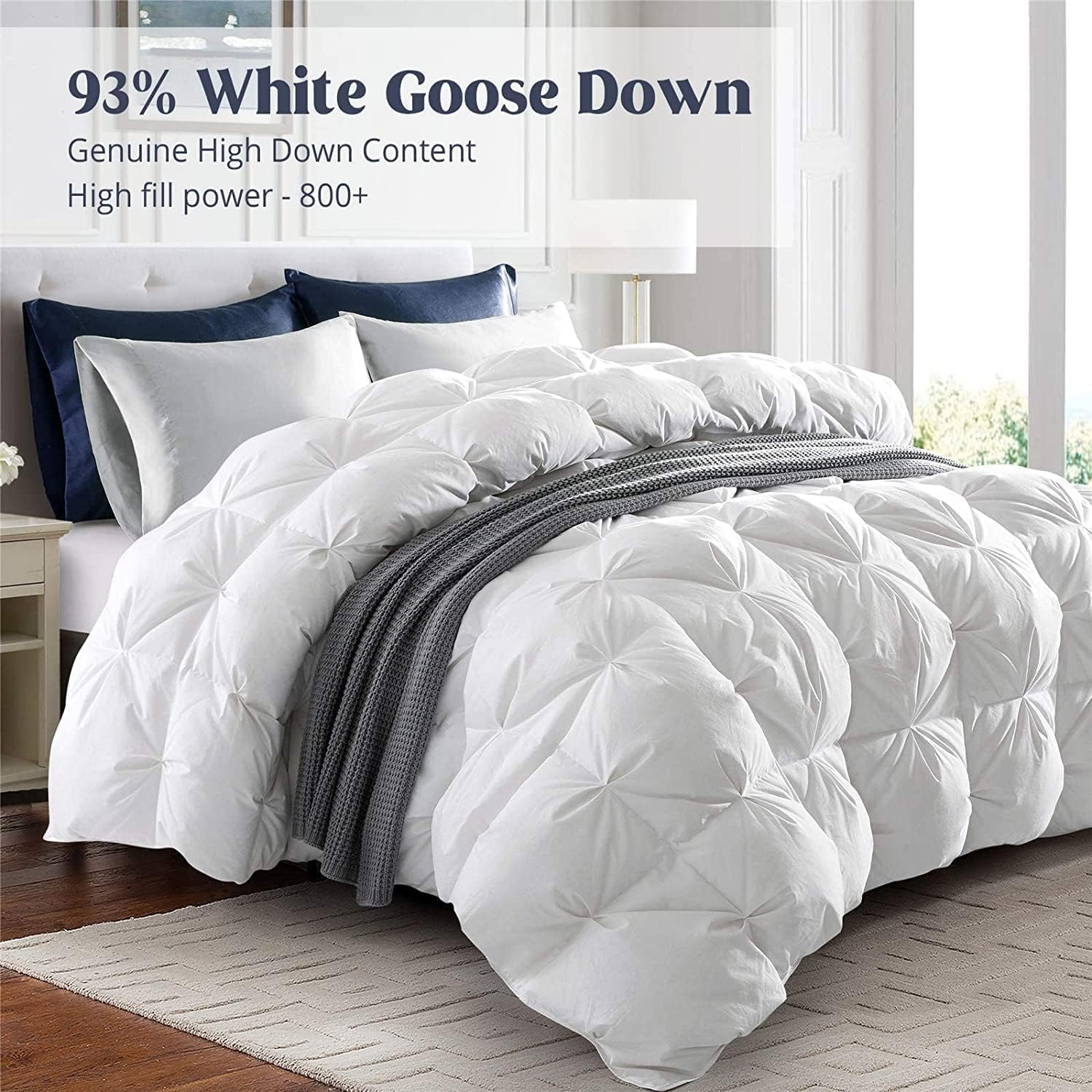
Fill Power 600 to 850+: Which Number Actually Matters for Your Sleep
Fill power is the single most-cited spec in down comforter shopping — but it's also the most misunderstood. Here's what the number actually tells you, where it stops mattering, and how to pick the right range for your bed.
Read the guide →
Pinch Pleat vs. Baffle Box vs. Box Stitch: Which Comforter Construction Do Buyers Actually Prefer
The stitching pattern on your comforter isn't just decorative — it controls how the fill moves, where warmth collects, and how the bed looks. Here's how to
Read the guide →
The Crinkle Sound Divide: Down Buyers Who Love It vs. Buyers Who Hate It
Some down comforter buyers treat the crinkle sound as a sign of quality. Others call it a dealbreaker. Here's how to know which camp you're in — and which
Read the guide →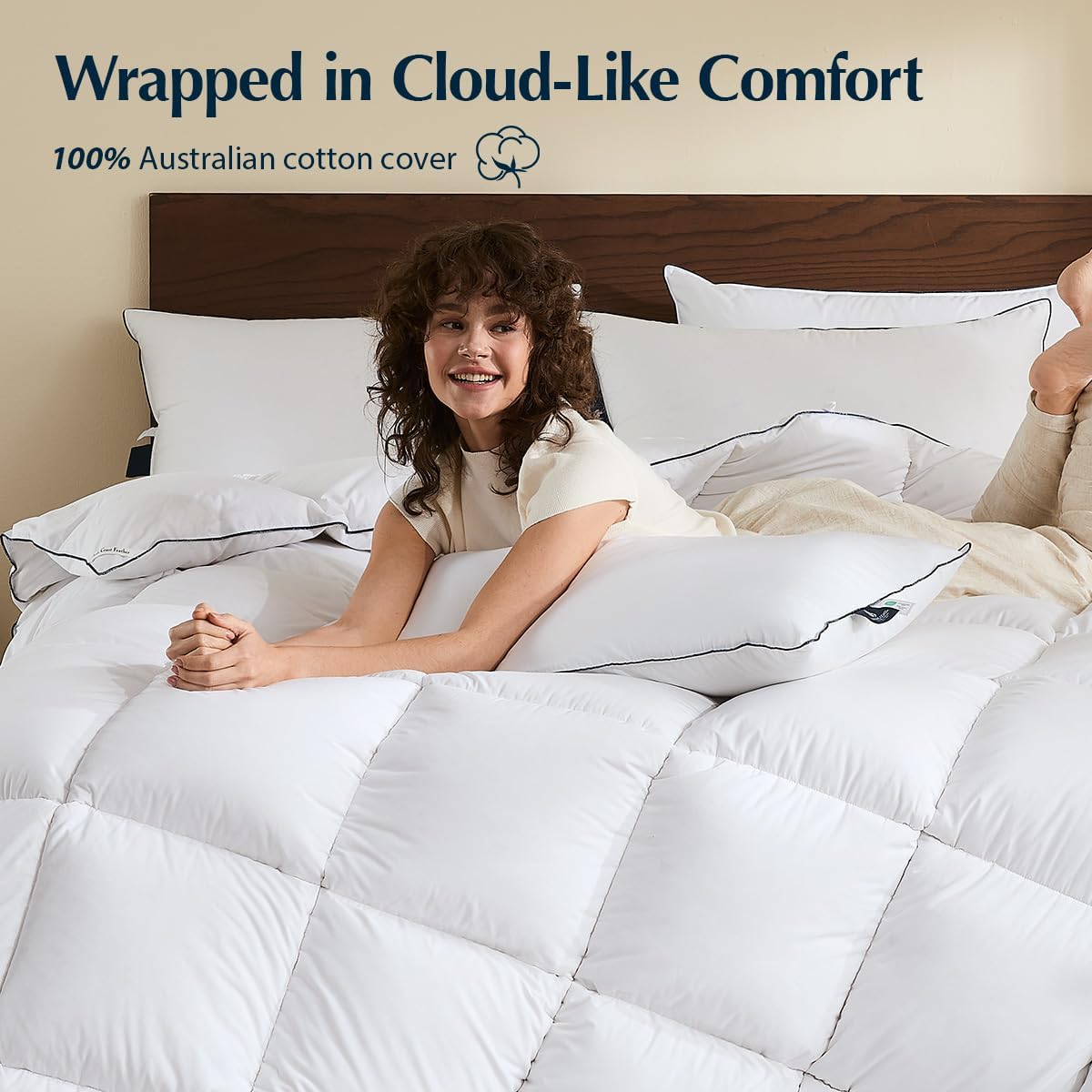
Baffle Box vs. Sewn-Through: The Construction Spec That Decides Warmth Distribution
Two stitching methods, one big difference in how your comforter actually feels. Here's how to read the construction spec and match it to your sleep needs and budget.
Read the guide → Why Your Comforter's Cotton Shell Thread Count Matters More Than You Think
Thread count on a down comforter shell is more than a marketing number — it determines how well fill is contained, how the comforter breathes, and how long the whole thing lasts. Here's how to read it correctly.
Read the guide →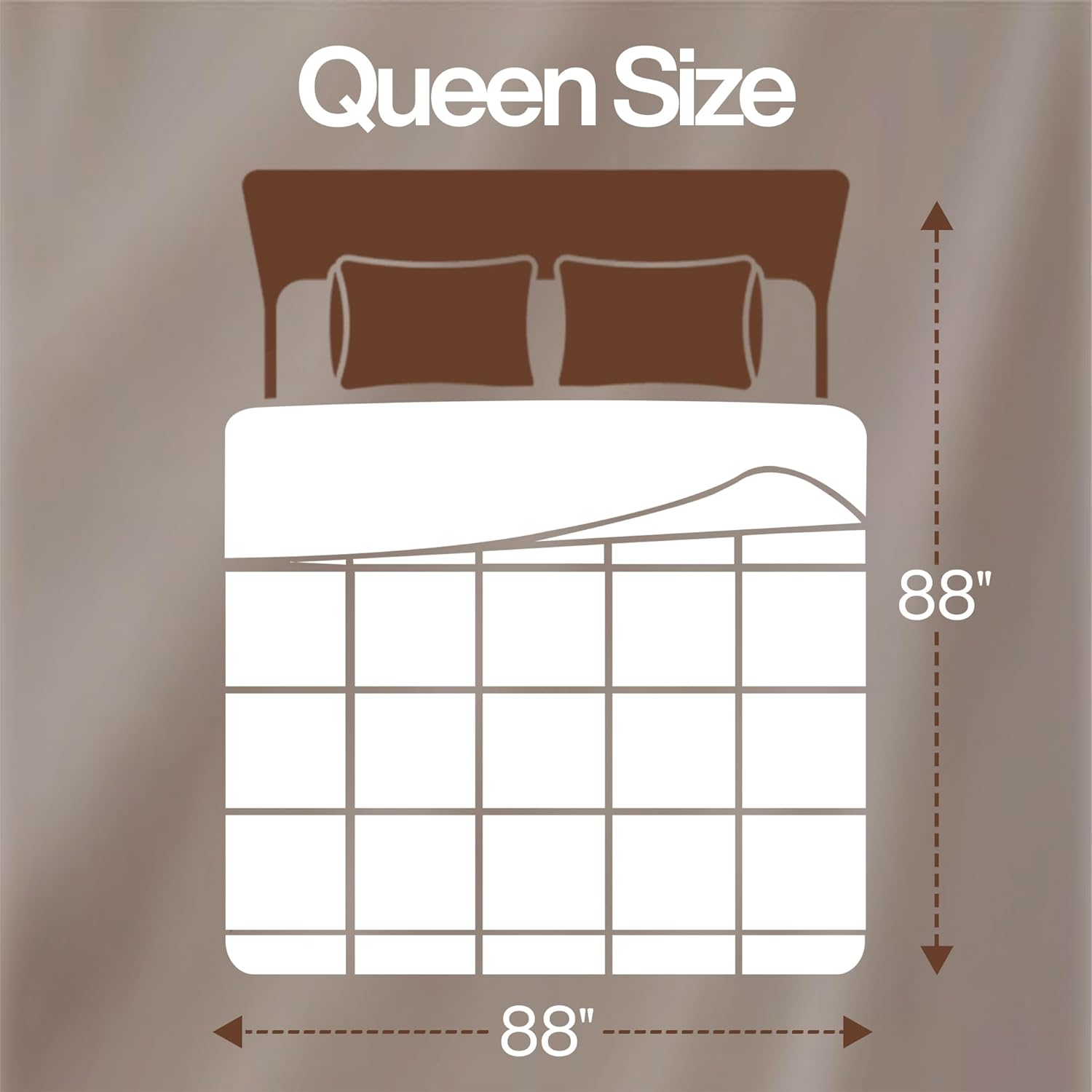
Real Down vs. Down Alternative on Amazon: Translating the Spec Gap into a Buying Decision
Amazon sells hundreds of down and down-alternative comforters at every price point. Here's how to read the spec gap honestly and pick the one that actually fits your bed, your sleep, and your budget.
Read the guide →